1
/
de
1
Thangka Aura
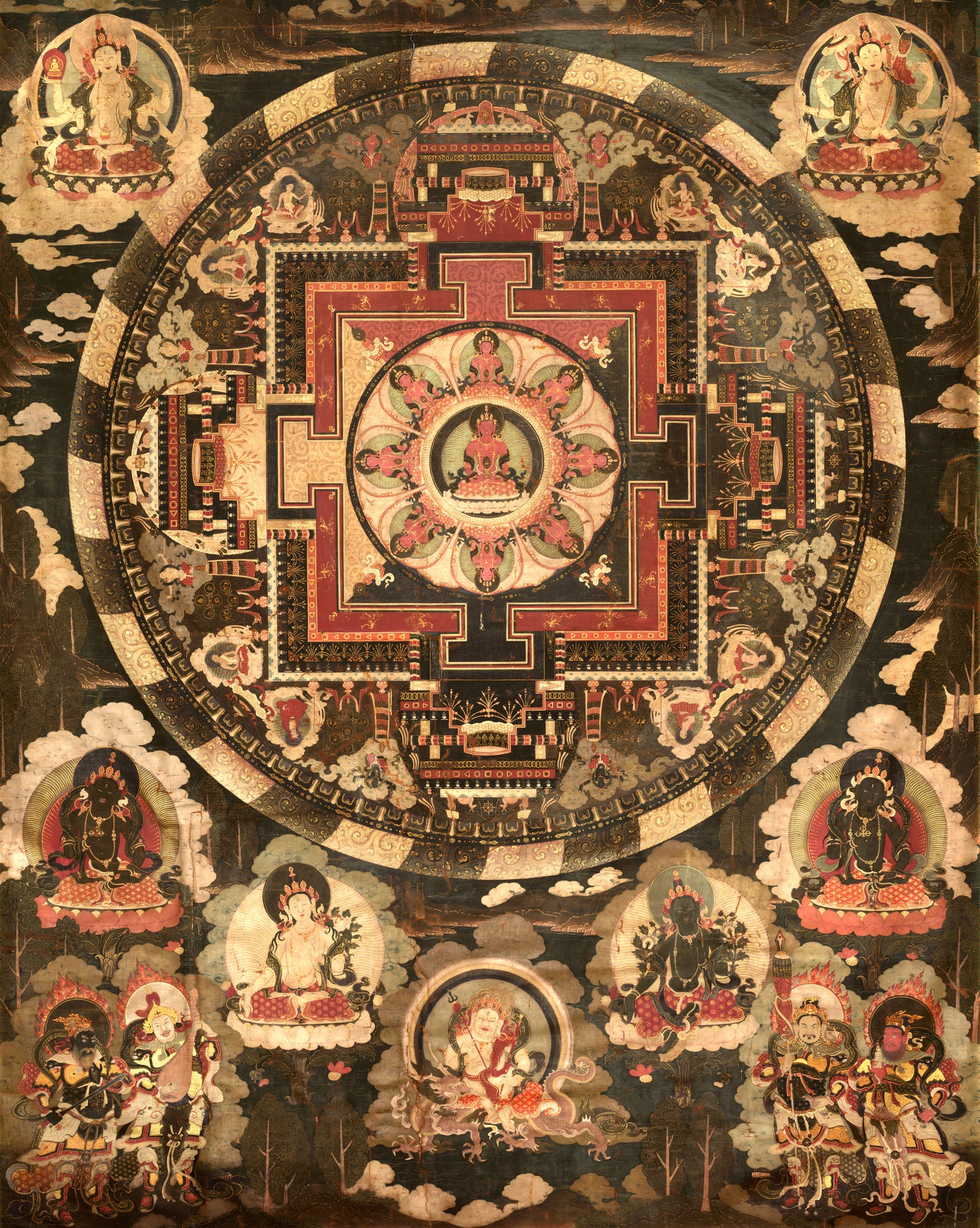
Amitayus (Longevity Buddha) Mandala Thangka 50*60cm
Amitayus (Longevity Buddha) Mandala Thangka 50*60cm
Prix habituel
$69.99 USD
Prix habituel
Prix promotionnel
$69.99 USD
Frais d'expédition calculés à l'étape de paiement.
Quantité
Impossible de charger la disponibilité du service de retrait
Share
-
Collection InformationThis artwork is housed in the Cleveland Museum of Art, accession number 1915.316. It was created in early 18th-century Tibet, painted with mineral pigments on cloth, measuring 128.2 × 82.6 cm. It is a traditional mandala thangka from central Tibet during the Qing Dynasty.
-
Theme OverviewThe central deity is Amitāyus (Longevity Buddha), a mandala (cosmic palace) thangka in Tibetan Buddhism dedicated to rituals for prolonging life, dispelling misfortune and praying for longevity. The Sanskrit term "mandala" translates to "perfect cosmic palace", the core visual icon for meditation practice centered on Amitāyus.
II. Structural Breakdown of the Central Mandala
Following the standard Tibetan cosmic layout of a square inner palace encased in an outer circle, the mandala unfolds in four concentric layers from center outward:
-
Core Eight-Petaled Lotus WheelSeated at the absolute center is Amitāyus, with a crimson body in the meditative mudra, cradling the longevity vase in his hands, symbolizing boundless lifespan. Each of the eight lotus petals bears an identical Amitāyus figure, representing the convergence of longevity merit from all eight cardinal directions, forming the complete assembly of Nine Longevity Buddhas.
-
Square Palace WallsA cross-symmetric palace with red backgrounds and gilded borders, with gateways opening to the four cardinal directions (East, South, West, North). Each gate tower enshrines offering bodhisattvas, dharma protectors and auspicious Eight Treasures. The winding, labyrinthine walls function as vajra ramparts that ward off worldly afflictions, signifying a pure Buddha land.
-
Protective Circular ZonesMultiple concentric rings surrounding the square palace are decorated with vajra pestles, purifying flame motifs and lotus vines, representing three layers of protection: subduing malevolent spirits, cleansing karmic obstacles, and rebirth in a pure lotus womb.
-
Outermost Circular BoundaryA black background detailed with gilded cloud and mountain landscapes separates the sacred mandala realm from the mortal world.
III. Pantheon of Saints Encircling the Mandala
Top Four Corners (Top Left & Top Right)
Two white Four-Armed Avalokiteśvara (Chenrezig), the Bodhisattva of Great Compassion, guardians of the Longevity practice who eliminate karmic causes of premature death.
Mid-Frame Flanking the Mandala
- Black Vajradhara in paired dual-form manifestations (upper and lower): the Primordial Buddha who embodies all tantric lineages.
- White Mañjuśrī Bodhisattva: Lord of Wisdom, who augments virtuous roots of fortune and longevity.
- Black Vajrapāṇi Bodhisattva: Lord of Power, who dispels illness and calamity.
Central Bottom of the Composition
A crimson wrathful Dharma Protector (a longevity-focused guardian deity akin to Palden Lhamo or Hayagrīva), who subdues all hindrances to long life. Flanking this central wrathful figure are the Four Heavenly Kings, tasked with safeguarding the land and all devotees.
Bottom Far Corners
Civil and martial paired guardian generals holding ritual implements to defend the mandala and complete the full pantheon for longevity meditation.
IV. Cultural Symbolism & Ritual Function
- Core Symbolism
- Square mandala: Represents stability, cosmic order and the perfect Western Pure Land of Longevity.
- Crimson Amitāyus: Red corresponds to longevity, vital essence and life force, embodying nourishment of the physical body and extension of lifespan.
- Symmetrical surrounding Buddhas and Bodhisattvas: Embodies the full integration of five merits: fortune, wisdom, longevity, compassion and spiritual power.
- Religious Applications
- Meditation: Tantric monastics visualize this mandala while reciting Amitāyus mantras to eliminate illness and extend life.
- Devotional Display: Hung in households to pray for elders, dispel misfortune and resolve karmic obstacles to a long life.
- Ceremonial Use: Serves as the central devotional thangka during temple rituals for longevity ceremonies.
- Distinctive Artistic Style
This piece follows the Karma Gadri school of central Tibetan painting: deep dark backgrounds contrast vivid gold and crimson mineral pigments, with rigorously symmetrical linework, soft, lifelike depictions of mountains and clouds, and elegantly proportioned sacred figures. It stands as a refined, mature example of 18th-century Tibetan mandala thangka art.
V. Key Distinction: Amitāyus vs Amitabha Buddha
The two deities are frequently confused, yet hold distinct roles:
- Central figure here: Amitāyus (Longevity Buddha), depicted in bodhisattva regalia holding the longevity vase, exclusively venerated for healing and life extension.
- Amitabha Buddha: Portrayed as a monastic monk holding a lotus, whose primary function is guiding devotees to rebirth in the Western Pure Land of Sukhavati.
While both belong to the Western Pure Land pantheon, their meditation practices and associated spiritual merits differ entirely; this thangka is dedicated solely to the longevity tantric practice of Amitāyus.